What is theme? What makes a theme essential for driving a narrative forward?

What is meant by an author's theme? Why is a theme crucial for propelling a story forward?
A theme is distinct from a storyline, character archetype, or a broad concept.
It’s not a location. It’s not a genre. It’s not a tale to be told... neither is it a sequence of events (plotline) or a dramatic structure.
A theme is not the premise... which is actually the initial state of affairs that drives a plot forwards...
And it’s not a synopsis!
It’s easy to say what a theme ISN’T, but it’s not easy to define what a theme IS!
That’s why I thought I’d offer a little exercise in this blog post to help other writers and readers get their ‘head around’ theme!
A writer's THEME is the central idea that binds all narrative elements into one unified body...
Just as a spinal cord connects arteries and nerves within a body, a THEME is the central idea that binds all narrative elements into a unified body.
Therefore, a theme is the central idea, the message, or main topic that any narrative is built upon.
A theme will naturally be present in a book if it is central to the author’s purpose and motivation, and so it doesn’t require direct explanation to the reader.
Without a theme that strongly resonates with an author or burns with passion, the vital writing force may become depleted across the writing journey (writer's block), and the author without a theme might not have the endurance to last across the thousands of words that a book has to be built upon.
Many statements from emerging writers have crossed my path. Here are some examples:
I’d like to pen an RPG book.
I’m writing a novel that takes place in a town in the 1850s and it’s about a magician’s apprentice.
My story takes place underwater, maybe involving some kind of kelpie.
I aim to write about a fey king who develops feelings for a shadow monster (slashfic)
But, be warned, although these are ambitions, none of these statements are a theme.
Don't forget: a theme is neither a storyline, a character archetype, or even a wider concept. It’s not a location and it's not a genre... it's not a tale to be told...
Let’s examine some well-known stories to get a clearer idea of what theme means, separating the theme from other story elements.

Goldilocks and Three Bears
Is this a narrative about life in the dark woods?
Is this a tale about trespassing into the lives of others?
Is this a tale about taking advantage of other people’s belongings?
Is this a home security story?
Or, is the theme of this story about the idea of striking a perfect balance between opposites?
Is the theme of Goldilocks and the Three Bears about the idea of striking a perfect balance between opposites?
If the theme is the idea of “striking a perfect balance between opposites,” then the characters don’t have to be bears: they could just as easily be wizards or astronauts.
If the theme is the idea of “striking a perfect balance between opposites,” then the setting doesn’t have to be a dark wood—it could just as easily take place at a grand hotel or on a space station.
If the theme is the idea of “striking a perfect balance between opposites” then the central protagonist need not be a fair-haired girl; it could just as easily be a warlock or an extra-terrestrial life form.
And if the theme is the idea of “striking a perfect balance between opposites,” then fantasy need not be the genre of this story — it could just as easily be a crime fiction or a romance!
By concentrating on a theme, such as “striking a perfect balance between opposites”, a writer can craft a fiction that is more extended, detailed, engaging, and more intricately structured, with the theme serving as the driving force for the entire narrative.
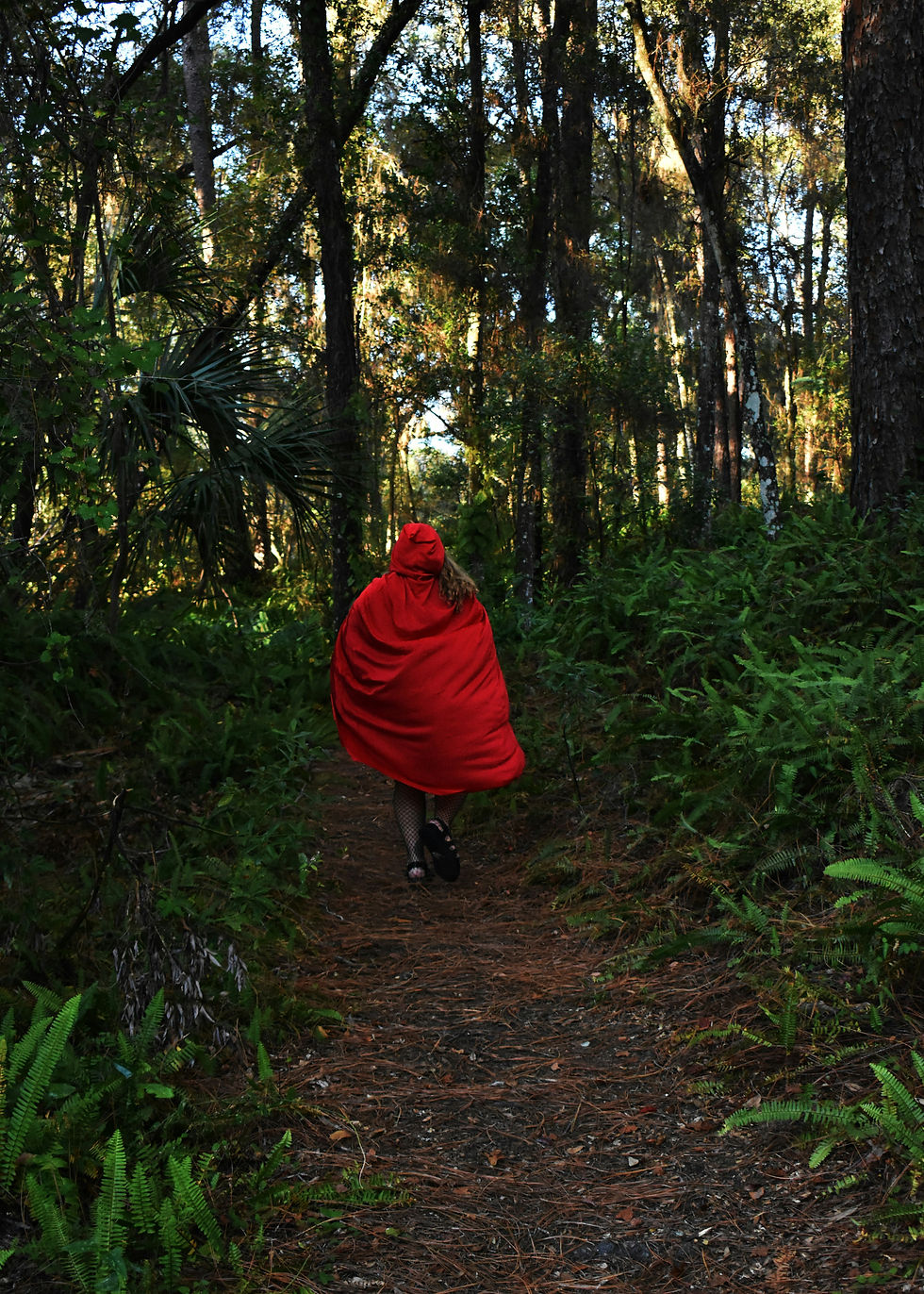
Little Red Riding Hood
Is this a story about straying from the road?
Is this a tale about wolves being untrustworthy?
Is this a cautionary tale about talking to strangers?
Is this a tale about being duped by someone you thought you could trust?
Is this an account of puberty and coming out as a woman?
Or is this story’s central theme the idea that even seemingly kind persons can be evil on the inside?
Is the theme of Little Red Riding Hood an idea about even the most seemingly kind persons being evil on the inside?
If the theme is that “even seemingly kind persons can be evil on the inside”, then the protagonist doesn’t have to be a little girl, and the antagonist doesn’t have to be a wolf: those characters could just as easily be ‘played’ by a boy and his uncle, or a magician and an apprentice dragon.
If the theme is that “even seemingly kind persons can be evil on the inside” then the story doesn’t have to be set in fairyland, it could just as easily be set in the here-and-now, or on a star-ship in a future galaxy.
And if the theme is that “even seemingly kind persons can be evil on the inside”, then the genre doesn’t have to be fantasy: it could just as easily be a murder-mystery suspense or a gay Western!
By exploring themes such as “even seemingly kind persons can be evil on the inside”, authors can craft fiction that can be extended, elaborated, profoundly engaging, and intricately developed, with the theme acting as a driving force for the entire narrative.
Do you have a theme for your book yet? Or are you struggling? Let me know!
© Neil Mach February 2026
Neil Mach is a prolific English author known for his clean urban fantasy fiction (like his popular 'Moondog' series) and his historical fiction works. Neil is also a well-known public speaker, and a creativity advisor. Neil has a background as a rock journalist. He frequently shares his expertise on writing and the music business, particularly rock music history, and has written over 20 books, and he often addresses writing workshops. Since its launch in 2019, his extremely popular Myth & Magic podcast has provided enthusiasts of fantasy literature and fantasy art with over 125 hours of audio enjoyment.


Comments